
Moving a Christmas Cactus With Buds: What Really Makes Them Drop
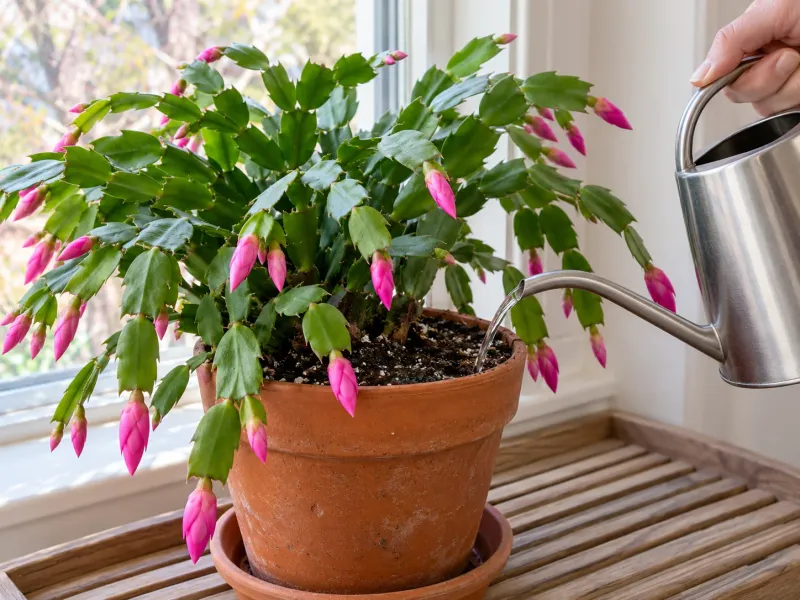
You bring home a holiday cactus covered in tiny buds, and now you want it front and center for the season. Then comes the worry that one move across the room will send those buds tumbling.
The real story is less scary and more useful. A few simple habits can help you keep the plant happy wherever it sits.
Holiday cactus buds do not follow one November schedule
Plenty of holiday cacti start showing buds in fall, so early November is a believable time to spot them. Still, the calendar is a poor judge.
Your plant’s schedule depends on its type, its variety, and the light and temperature it has been getting.
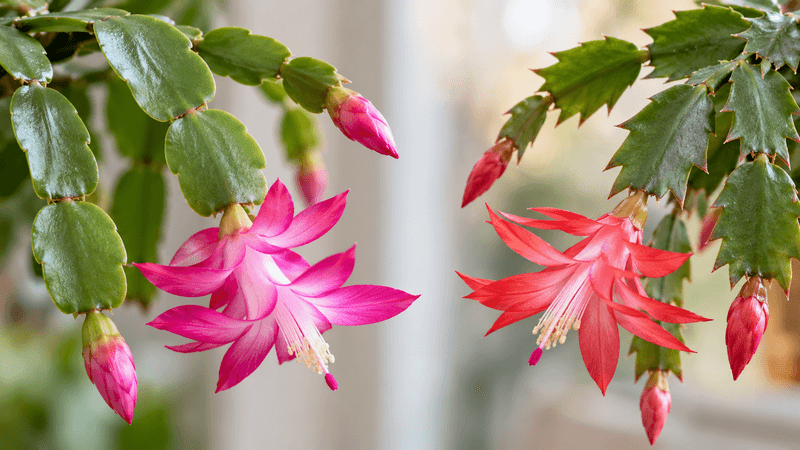
Here is where labels cause confusion. Many plants sold as Christmas cactus are really Thanksgiving cactus, and the two bloom on different timelines.
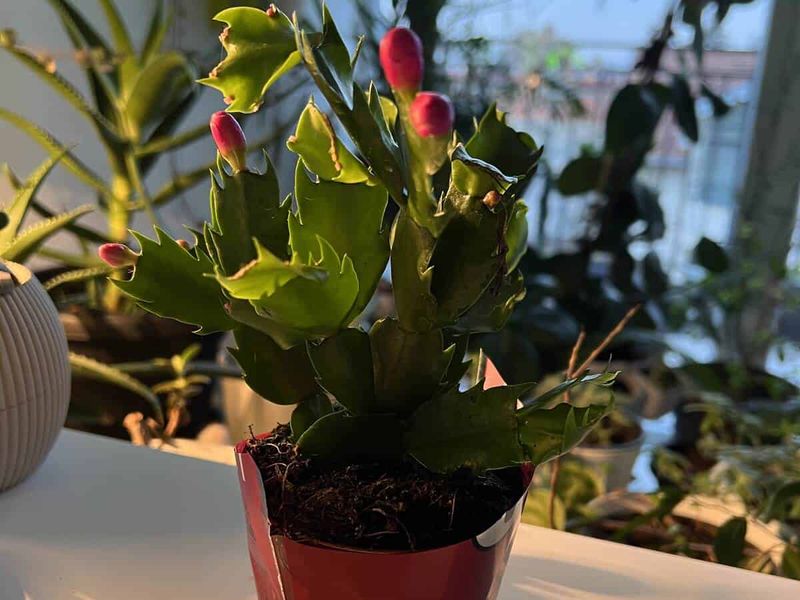
Clemson Extension notes that Thanksgiving cactus usually blooms about a month before Christmas cactus. The shape of the stem segments can help you tell them apart, since Thanksgiving cactus has pointed, claw-like edges while true Christmas cactus has smoother, rounded scalloped ones.
Buds form in response to shorter days and cooler nights. UConn guidance gives different short-day treatment start dates for Thanksgiving and Christmas types, and says buds may appear after about 4 to 8 weeks of that treatment.
So if your plant has buds now, great. If it does not yet, that does not mean something is wrong.
A store tag or a date on the calendar cannot tell you when your particular cactus will set buds or flower, so watch the plant itself instead.
Moving the pot does not automatically make buds fall
Carrying the pot to a new spot is not what knocks buds off. The trouble starts when the new spot is very different from the old one.
A sudden jump in light, a blast of cold or hot air, or a watering slip can all stress the plant, and a stressed cactus may let go of buds.
Cornell Cooperative Extension points to environmental changes as a reason buds drop. NC State Extension lists drafts, temperature extremes, and improper watering as possible causes too.
None of these sources say that every move ends in bud loss.
It also helps to separate two jobs. Shorter days and cooler temperatures help start buds.
Keeping those buds is a different matter, and that is where stressors after buds appear can cause trouble.
Staying put is no guarantee either. A cactus left beside a heating vent or in a dim corner can drop buds without ever being moved.
Think of it this way: a gentle, well-planned move to a similar or better spot is far less risky than leaving the plant in a bad one.
Choose a bright location away from drafts and heat
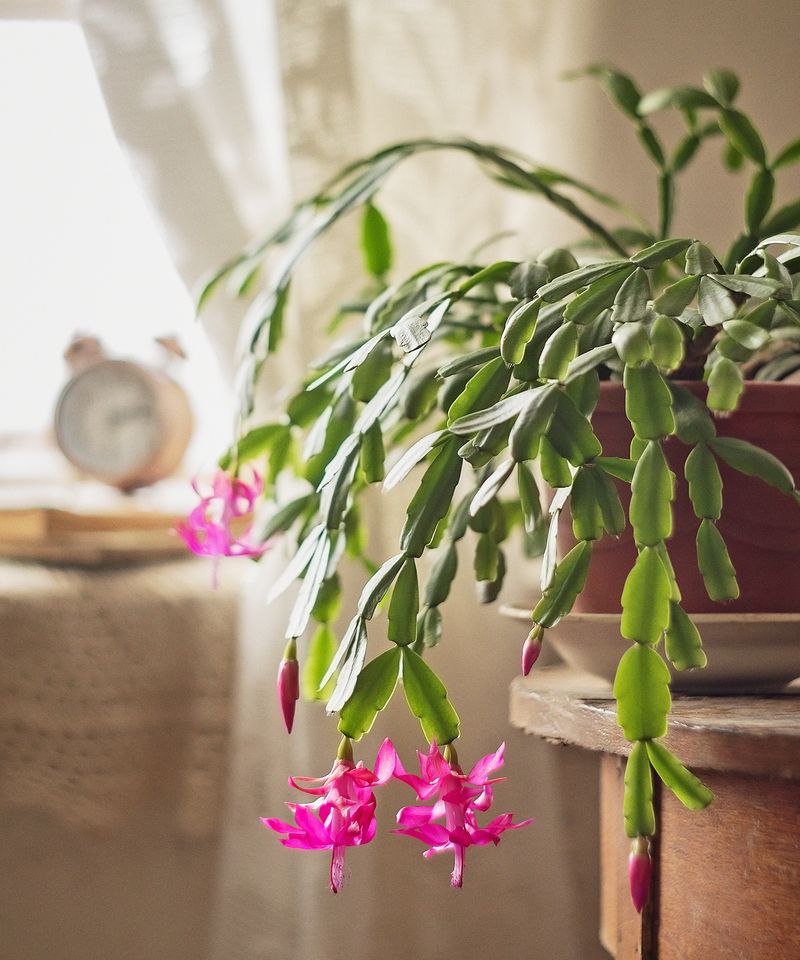
Picture the best seat in your house for a budded cactus. It gets bright light, stays at a steady, comfortable temperature, and sits away from anything that blows air on it.
Cold drafts from a door and hot air from a heating vent are both common culprits.
Guidance from UF/IFAS Extension is to keep the plant in a bright spot and avoid abrupt changes in conditions once buds are present. NC State’s plant profile also lists drafts and temperature extremes among the troubles to watch for.
Skip fireplaces, radiators, and spots right beside a heater, even if they look festive. A sunny window can work well, but glass can get chilly at night, so check that leaves are not pressed against cold panes.
Here is a quick test. Stand where the plant would sit for a minute.
Feel for moving air, warmth rising from a vent, or a chill from the glass. If the spot feels calm and bright, it is a good candidate.
Remember that no placement can promise that every bud stays. The goal is to avoid sharp swings in light and temperature, not to follow a rule against ever moving the pot.
Avoid both dry and waterlogged soil
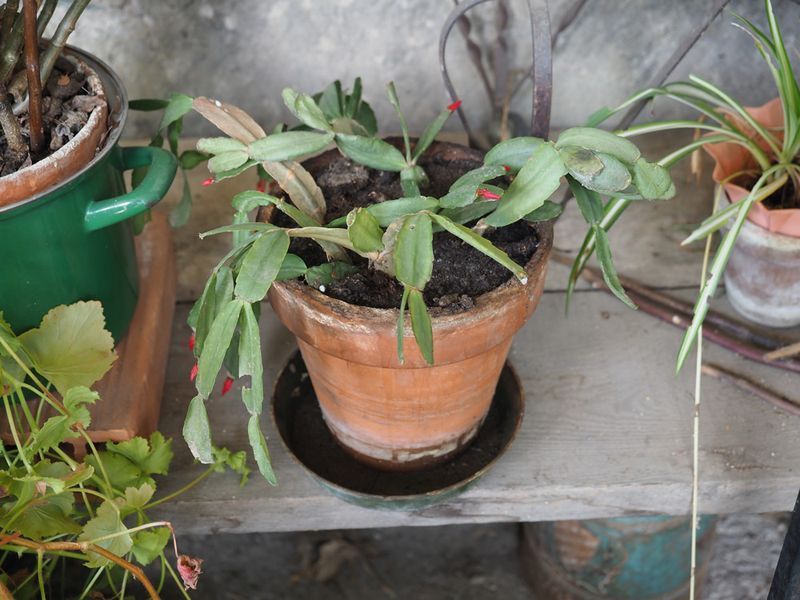
Watering advice for holiday cacti can sound like it points in two directions. One source says to keep the plant evenly moist after buds set.
Another says to water when the soil is dry but not bone dry. Both are really aiming at the same target.
Clemson Extension recommends even moisture after bud set and says not to let water stand in the saucer. UConn Extension suggests watering when the soil is dry but not desiccated.
Your best move is to check the mix instead of following the calendar. Push a finger an inch or so into the pot.
If it feels dry, water thoroughly. If it still feels damp, wait.
After watering, let the extra drain out and empty the saucer or decorative sleeve. A pot sitting in water can leave the roots soggy, while a mix that dries out completely while buds are developing can stress the plant.
Steer clear of both extremes and you remove two common reasons for bud drop.
Move the plant indoors when temperatures fall below 50°F
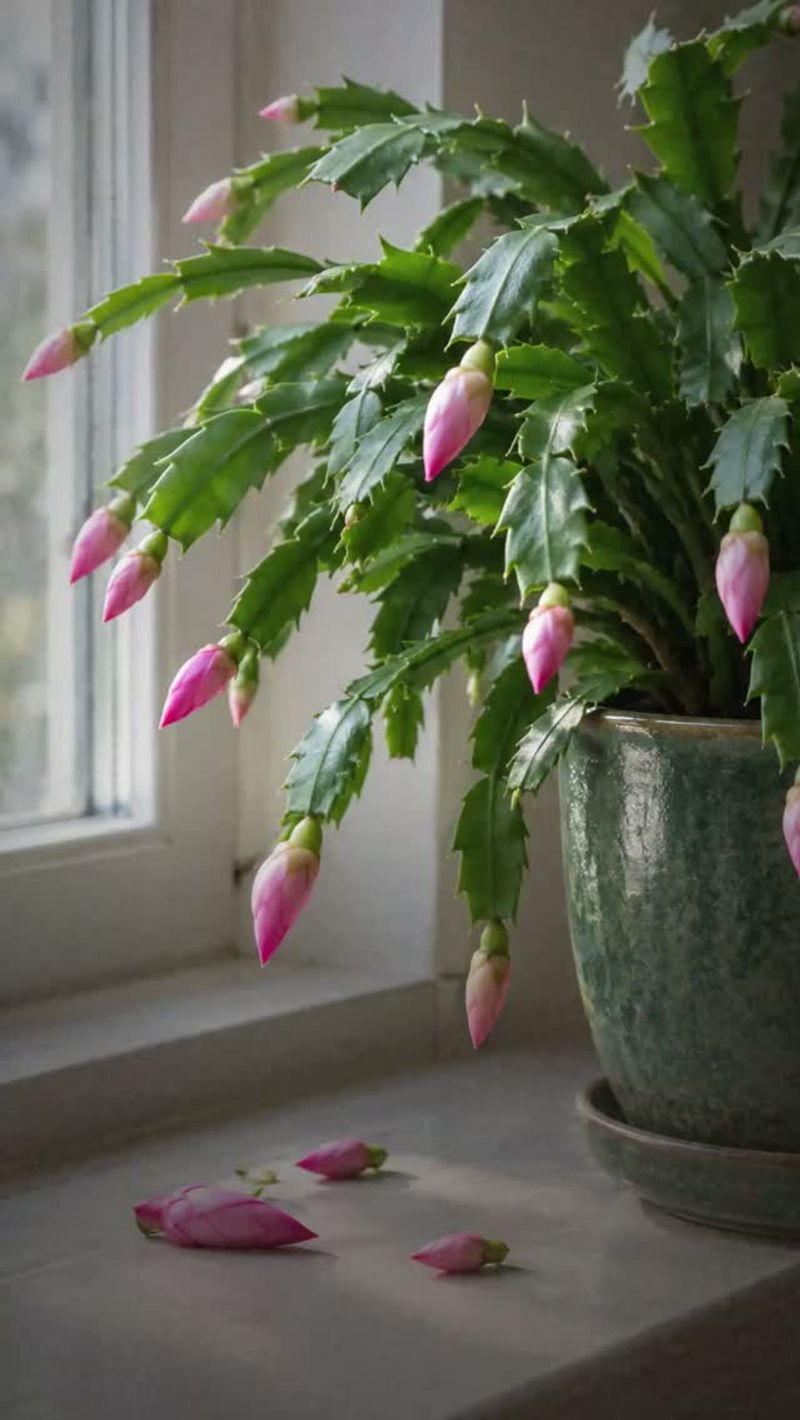
If your cactus spends fall on a porch or patio, cold weather sets the deadline. Both Clemson Extension and UConn Extension advise bringing holiday cacti inside when temperatures fall below 50°F.
Yes, that holds even when the plant is full of buds. Chilly nights are a bigger threat than a change of address.
Leaving a cactus outdoors just to avoid disturbing it is not a good trade.
Pick the indoor spot with care. Look for bright light, steady temperatures, and no drafts from doors or blasts from vents, fireplaces, or radiators.
A bright room that stays cool but not cold often works well.
If the weather forecast is close to the line, do not wait for a bad night. Bring the pot in a day early and place it somewhere gentle.
A calm, well-chosen spot indoors gives the buds a fair chance, while a cold night outside can hurt the plant itself.
Before moving it, compare the current and destination spots
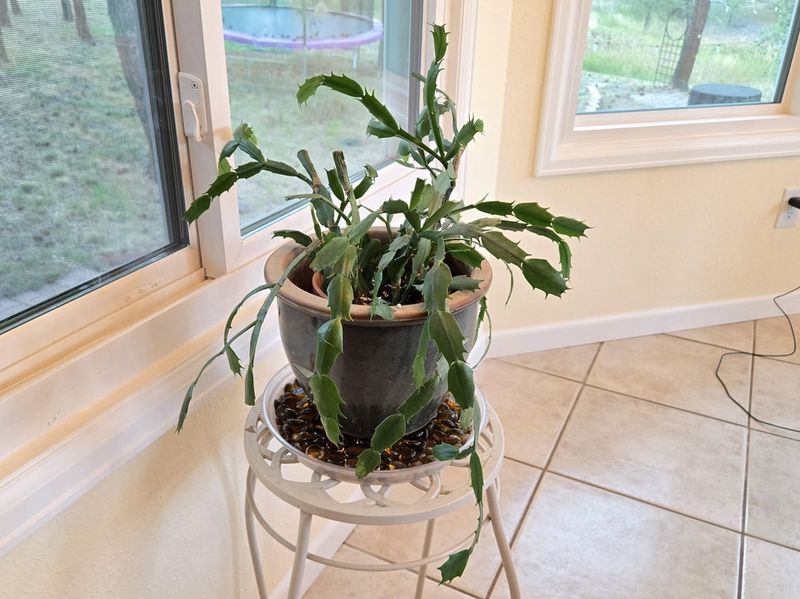
Before you lift the pot, run a quick side-by-side check. Think about light first.
If the new spot is much dimmer or much brighter than the old one, the plant faces a bigger adjustment.
Next, think about temperature and air. Is the new place noticeably warmer or colder?
Does it sit near a vent, door, or fireplace? UF/IFAS Extension and NC State Extension both point to sudden shifts and drafts as trouble for buds.
If the two spots are similar, go ahead. If the destination is a bright, draft-free place, it may be an upgrade.
Try to avoid shuffling the plant around repeatedly, and pick one good home if you can.
Move it when you need to, such as to get out of the cold. As Clemson guidance says, below 50°F the plant belongs indoors.
Staying put is never a promise that buds will hold.
A cactus that is comfortable tends to hold its buds better than a plant that is merely left alone.